CRM and Email Marketing for Small Business Owners

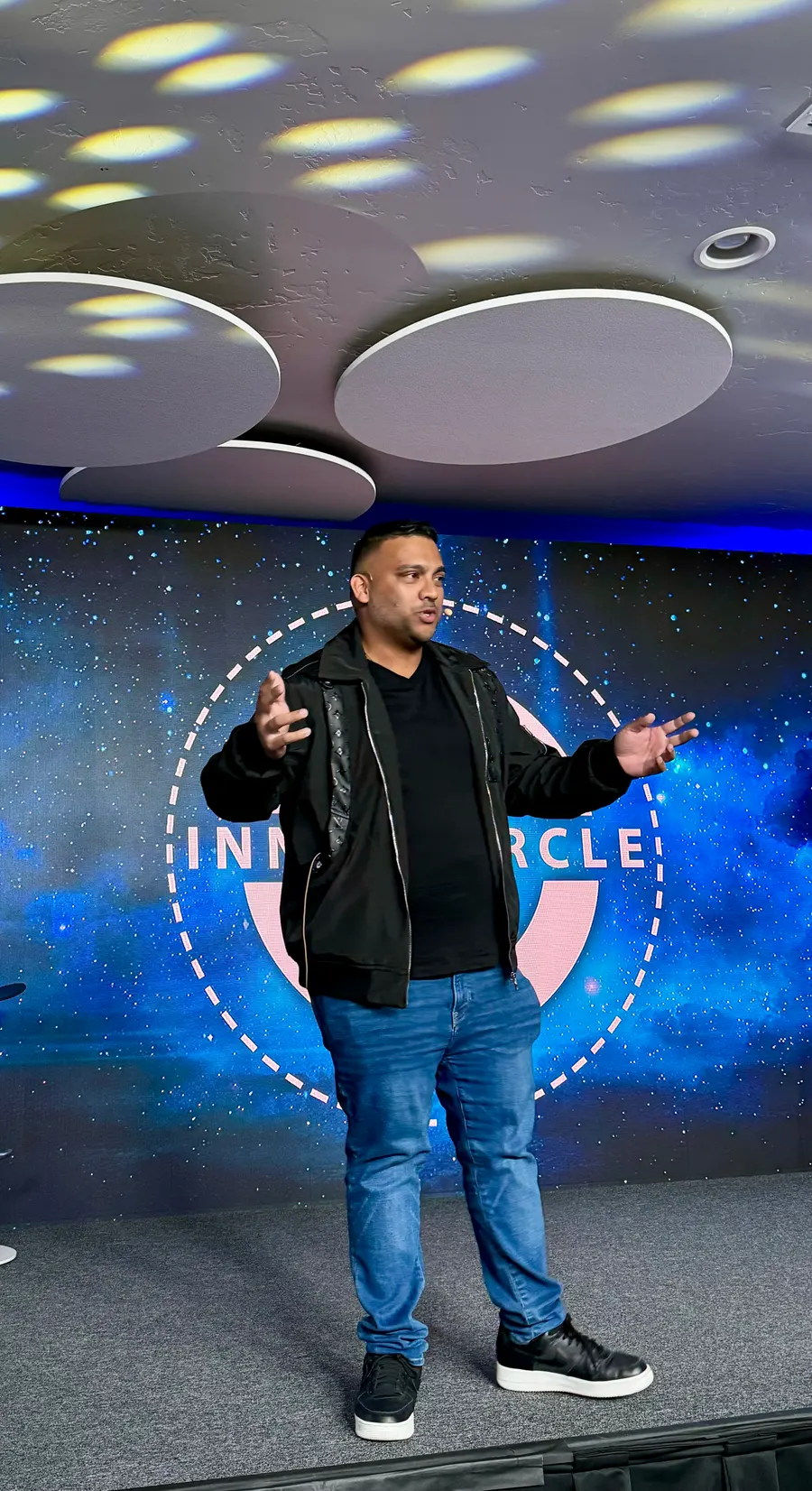
Written by
Josh Pather
Josh is the founder of Lead Fuel CRM, an all-in-one marketing and CRM platform for local service businesses. He built and automated his own service company before helping other owners do the same.
Introduction
Do small businesses really need both a CRM and email marketing?
Yes, and they work best together. A CRM is one place to hold every lead and customer. Email marketing is how you follow up fast and stay in touch. Put them together, and you stop losing jobs to slow replies, and you win more repeat work without doing it all by hand.
A quote request comes in at 8 a.m. You are on a job with your hands full. You see it three hours later. You call back. Too late. They already booked the other guy.
That is not a 'you' problem. That is a 'system' problem.
Most small businesses lose jobs the same way. A lead comes in, follow-up is slow, and the lead goes cold. A CRM and email marketing fix that.
Here is what each one does, how they work together, and how to set them up without turning into a software person.
What a CRM and Email Marketing Actually Do
Let's keep this simple.
A CRM is one place for every lead and customer. CRM stands for customer relationship management. Think of it as a smart contact list that remembers every call, text, job, and follow-up for you.
Email marketing is sending helpful emails to those contacts on a schedule. Some go out the second a lead comes in. Some go out weeks later to win back a past customer.
One holds the people. The other talks to them. Together, they make sure no lead is forgotten and no customer is ignored.
Why Small Businesses Lose Jobs Without Them
Here is the thing. The business that answers first usually gets the job.
When I ran my first business, I did everything by hand. I answered every inquiry, sent every contract, and chased every invoice. Leads slipped through the cracks, not because they were bad, but because I could not reply fast enough. I learned it the hard way. The person who responds first usually wins.
The numbers back it up. A 2011 Harvard Business Review study on online sales leads found that companies that reached out within an hour were about 7 times more likely to have a real conversation with a lead than those that waited even an hour longer.
Now think about a missed call. One missed call a day can be one lost job a day. On a $4,000 job, that adds up fast.
How a CRM and Email Marketing Work Together
So how do they team up? Like this.
- A lead comes in. A form, a call, or a text. Your CRM catches it and saves it right away.
- Follow-up fires in seconds. The lead gets a text and an email, even while you are on a roof. Miss a call? A text goes back on its own, so the conversation stays alive.
- The CRM keeps score. You see who replied, who booked, and who went quiet.
- Email keeps in touch. Weeks later, a short email brings a past customer back for another job.
This is where you automate your lead follow-up so it runs while you work. Set it up once, and it keeps going on its own.
Say you get 20 leads in a week. Follow up with all 20 in seconds instead of two of them by Friday, and you'll book more jobs from the same leads. Same ads, same calls, more money. That is the whole point.
How to Set Up CRM and Email Marketing
You do not need to be techy. There are four steps to keep in mind.
Step 1 - Put Every Lead in One Place
Pick one CRM and send every lead into it. Web forms, calls, texts, and messages all land in the same spot. No more sticky notes. No more lost numbers. If it is not in one place, you will keep dropping leads.
Step 2 - Turn On Instant Follow-Up
Set up an auto text and email that go out the moment a lead comes in. Add missed-call text back so no call goes dark. This is the highest-value switch you can flip. Good automated follow-up systems reply in seconds, day or night, so you never lose a lead because you were busy working.
Step 3 - Build a Simple Email Sequence
Write three to five short emails that go out over a couple of weeks. Keep them plain and useful. A thank-you, a reminder, a quick tip, an offer to book again. One rule to remember: every marketing email needs a clear way to unsubscribe, and you have to honor it. The FTC's CAN-SPAM rules require an opt-out, and senders must honor it within 10 business days.
Step 4 - Ask for Reviews and Repeat Work
After a job, send a text or email asking for a review, and set a reminder to check back in a few months. Reviews do double duty. They build trust, and Google's own local ranking tips say more reviews and positive ratings can help your business show up in local search. You can even collect more Google reviews on autopilot with a simple request that goes out after every job.
Want to see where your follow-up is leaking leads right now? Get your free marketing report, and we will show you what is holding your business back. Get your free marketing report.
What to Look for in a Small Business CRM
Not every CRM fits a local service owner. Some are built for big marketing teams with a full-time admin. You want the opposite. Here is what matters.
- All in one. CRM, texting, email, booking, and reviews in one login. If you are stringing together five tools, you are back to chaos.
- Built for owners, not marketing departments. You should be able to run it from your phone between jobs.
- Text and email together. Most customers reply faster to a text. You want both.
- Fast setup or done for you. The best fit gets you going without a week of learning.
Right now, you might pay for a lot of separate tools. Email software. A scheduler. A CRM. A phone tool. That can run $50/month here and $70/month there until it is hundreds a month for tools that do not even talk to each other. Lead Fuel CRM puts them in one dashboard for every tool at one flat price, with a core plan at $97/month. No juggling. No hidden fees.
Frequently Asked Questions (FAQs)
Do I really need a CRM for a small service business?
If you get more than a few leads a week, yes. Once you pass a handful of leads, you cannot track them all in your head or your inbox. A CRM catches every one and reminds you to follow up, so fewer jobs slip away.
Is email marketing still worth it for local businesses?
Yes. Email is cheap, and it is one of the best ways to win repeat work. A past customer already trusts you. A short email at the right time brings them back for another job, and it costs you almost nothing to send.
How is this different from just using my email inbox?
Your inbox does not follow up for you. A CRM with email marketing sends the right message at the right time on its own, tracks who replied, and reminds you who to call. Your inbox just piles up.
Can I text customers too, not just email?
Yes, and you should. Most people reply to a text faster than an email. A good all-in-one setup sends both, so you reach folks the way they like to answer.
What does CRM and email marketing cost for a small business?
It depends on the tools. Buying them separately can run several hundred dollars a month. An all-in-one platform bundles them for one flat price, which is usually cheaper and far simpler. Check current pricing before you decide.
Get Your Follow-Up Working for You
You do not need more software. You need fewer tools that talk to each other. A CRM catches every lead. Email marketing follows up fast and keeps customers coming back. Put them together, and you stop losing jobs to slow replies, and you turn one job into many.
Start with one small win this week. Turn on instant follow-up. That alone can save the next lead you would have lost.
Want us to take a look first? Get your free marketing report and see what is holding your business back, or see simple flat pricing to get started.
---
Josh Pather is the founder of Lead Fuel CRM, an all-in-one marketing and CRM platform for local service businesses. He built and automated his own service company before helping other owners do the same. His prior company was named one of the fastest-growing private companies in Texas by Inc. (No. 63, Regionals: Texas, 2020).